
What to Know About Suing Government Entities After an Accident in California
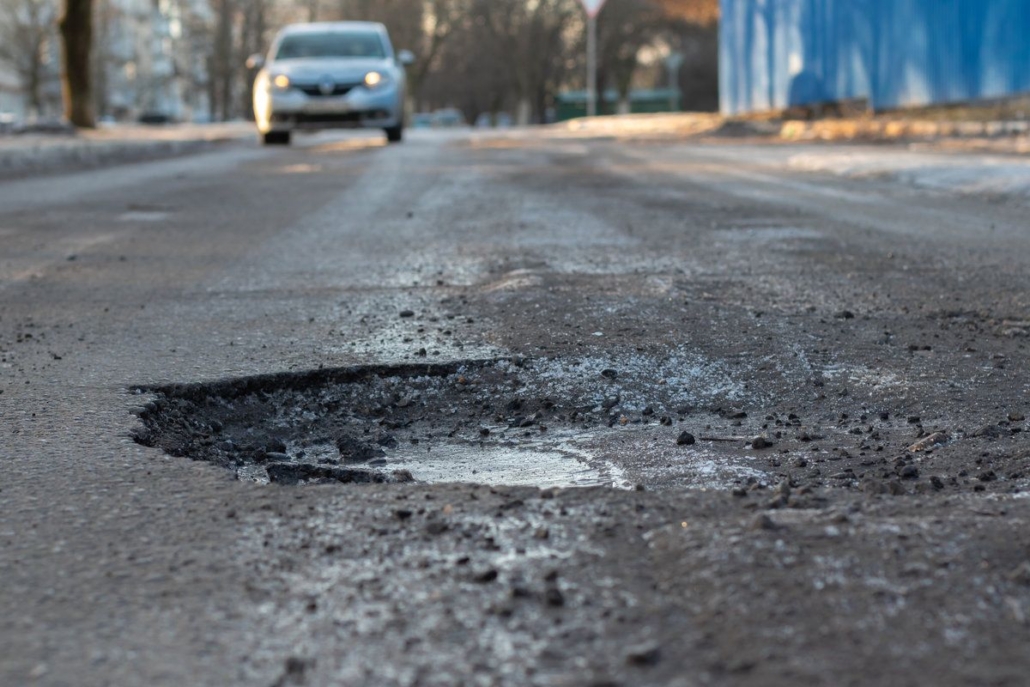
When a government vehicle runs a red light and hits your car, or a pothole on a poorly maintained public road causes a serious crash, pursuing compensation takes a different turn. Many people are surprised to discover that the process is not as straightforward as filing a standard personal injury claim. Suing a government entity in California involves a separate and strict set of rules that can derail your case entirely if they are not followed precisely.
At Younglove Law Group, we bring more than 20 years of combined experience to clients throughout California who have been injured due to the carelessness of a government body. Whether the at-fault party is a city, county, state agency, or a public transit operator, our team understands exactly how to navigate these complex claims to fight for the compensation you deserve.
The Government Claims Act: Your First Obligation
Before you can file a claim in court against a California government entity, you must first submit an administrative claim directly to that entity. This requirement comes from the California Government Claims Act, which establishes the process and deadlines that injured parties must follow. Under this law, you generally have only six months from the date of your injury to file a government claim, compared to the two-year window that applies to most California personal injury cases and their statute of limitations.
Missing this six-month window almost always results in completely losing your right to seek compensation. Once the government entity receives your claim, it has 45 days to accept, reject, or ignore it. If rejected, you then have six months from the rejection date to file a claim in court. If no response is given, you generally have two years from the original injury date to proceed. Understanding and following this process correctly is critical to preserving your rights.
What Your Claim Must Include
Your administrative claim must contain specific information to be considered valid. Submitting an incomplete claim can result in the government rejecting it on procedural grounds. The claim typically needs to include:
- Your name and contact information: The full legal name and address of the injured party must be provided.
- Date, place, and circumstances of the incident: You need to give a clear description of what happened, where it occurred, and how the government entity was involved.
- A description of your injuries: You must provide general details about the physical harm you suffered and its impact on your daily life.
- The compensation amount you are seeking: Either a specific dollar amount or an indication that it will be determined should be outlined in your claim.
After you submit this information, the clock starts running on the government’s response period. Acting without delay and with precision is essential for protecting your right to pursue full compensation.
Common Scenarios That Involve Government Liability
Government entities can be responsible for a wide range of accidents. Dangerous road conditions, such as unmarked construction zones, broken traffic signals, and crumbling roadways, are among the most common sources of government liability. Pedestrian accidents caused by defective crosswalks or absent signage also fall into this category. Government-owned vehicles, public transit accidents, and injuries occurring on public property can additionally give rise to a valid claim against a government body.
It is important to understand that the government is not automatically shielded from liability in every situation. If a public employee acted within the scope of their job duties and their carelessness directly caused your injury, the government entity that employs them can be held responsible. This applies to drivers of public buses, municipal vehicle operators, and employees responsible for maintaining safe public spaces.
Why Speed Matters More Than in Standard Claims
The shorter deadlines associated with government claims make it absolutely critical to begin the process as soon as possible. Even in standard claims, evidence disappears, and witnesses forget details. Claims involving these entities involve government records, which can become more difficult to obtain over time. Acting quickly after being injured is always important in personal injury cases, but when a government entity is involved, the urgency is even greater.
One area that many injured people overlook is how to handle public transportation injuries. If you were hurt on a city bus, light rail, or other government-operated transit system, knowing how to handle a public transportation injury and who to hold accountable requires a clear understanding of both state law and agency-specific procedures. These claims carry the same strict government filing requirements and must be treated with the same urgency due to their time-sensitive nature.
Younglove Law Group Is Ready to Fight for You
At Younglove Law Group, we know that going up against a government entity can feel overwhelming, but it is far from impossible. Our attorneys have recovered over $60 million for clients throughout California, and we bring that same relentless commitment to every case involving government liability. We do not charge our clients anything until we have won their case, so you can pursue justice without financial risk.
If you have been injured due to the carelessness of a government entity, do not wait. The deadlines in these cases are strict, and the process is complex. Reach out to us today through our contact form to schedule your free consultation and let our team go to work for you.


