
How California’s Fault-Based Insurance System Affects Your Personal Injury Claim
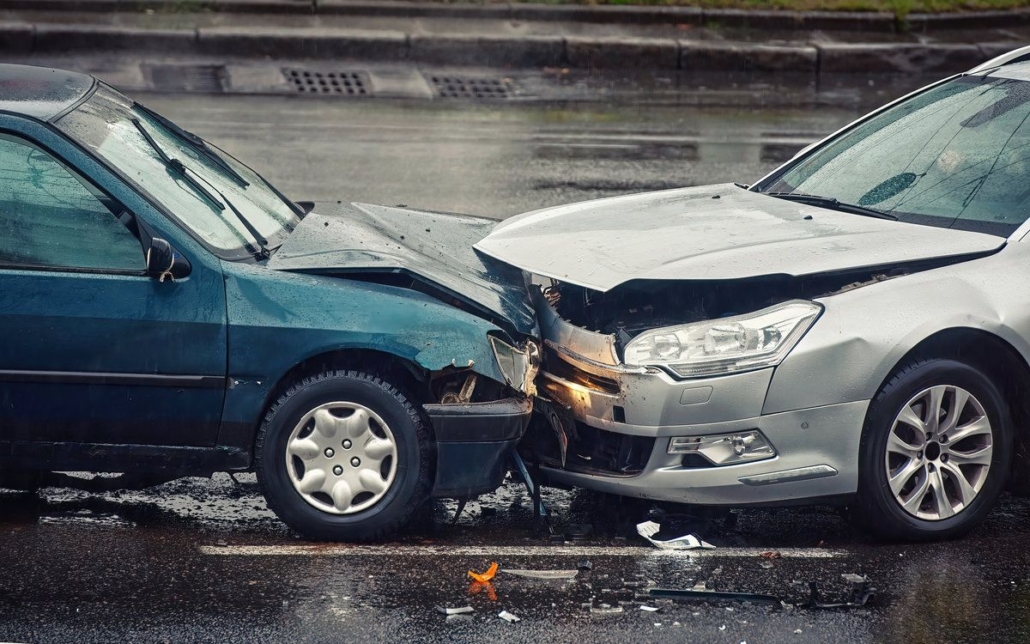
The moment another driver causes a crash in California, the question of who pays your medical bills, lost income, and other losses depends entirely on a system that most people never think about until they need it. California operates under a fault-based insurance model, which means the person responsible for an accident is also financially responsible for the harm that follows. Understanding how this system works can mean the difference between recovering what you truly deserve and accepting far less than the amount you are owed.
At Younglove Law Group, we know exactly how insurance companies maneuver within California’s fault-based framework to reduce the value of car accident claims. With more than 20 years of combined experience and over $60 million recovered for clients throughout California, our team is built to cut through the delays and denials that insurers use to protect their bottom line.
What California’s Fault-Based System Actually Means
California is an at-fault state, which means that after an accident, the injured person typically pursues compensation through the at-fault driver’s liability insurance. Unlike no-fault states where each driver’s own policy covers their personal losses regardless of who caused the crash, California requires you to show that the other party was responsible before their insurer is obligated to compensate you.
The California Department of Motor Vehicles requires all drivers to carry minimum liability coverage, including at least $3015,000 for injury or death to one person per accident. However, the tactics insurance companies use to fight claims often have little to do with fairness and everything to do with limiting payouts. Even when the fault appears obvious, insurers routinely dispute the extent of injuries, question the necessity of treatment, and delay responses to wear claimants down.
How Fault Is Determined and Why It Matters
Proving fault in California requires demonstrating that the other party breached a duty of care owed to you and that this breach has directly caused your injuries. Evidence used to establish fault includes police reports, witness statements, traffic camera footage, vehicle damage assessments, and expert analysis. The more clearly that fault can be established, the stronger the foundation is for your compensation claim.
California’s approach to shared responsibility makes this process even more important. The state follows a pure comparative fault rule, which means that even if you are found to be partially responsible for an accident, you can still recover compensation. However, your recovery is reduced in proportion to your assigned percentage of fault. Understanding how California’s pure comparative fault rule affects your settlement is critical because insurers frequently try to inflate your share of the blame, specifically to reduce what they have to pay you.
What Insurers Do with the Fault Determination
Once the fault is assessed, the at-fault driver’s insurance carrier becomes the primary target for your claim. At this stage, the insurer might admit partial liability while disputing causation, argue that your injuries were pre-existing, or offer a quick, lowball settlement before the full extent of your losses is known.
These are not accidents or oversights. They are standard defense strategies used by insurance companies to minimize their exposure. Unfortunately, those without legal representation are the ones who typically wind up on the losing end of these tactics.
What Compensation Can You Pursue Under California’s System?
Because California’s fault-based system allows injured parties to seek full compensation from the at-fault driver’s insurer, the categories of damages available to you can be substantial. Recoverable losses typically include the following:
- Medical expenses: These refer to all costs for treatment related to your injuries, including emergency care, surgeries, physical therapy, and future medical needs.
- Lost income: The wages you were unable to earn while recovering, as well as diminished earning capacity if your injuries affect your ability to work long-term, can be part of your compensation.
- Pain and suffering: Compensation can be provided for physical pain, emotional distress, and the impact your injuries have had on your daily life.
- Property damage: The cost to repair or replace your vehicle and any other personal property damaged in the accident is often part of a claim.
Understanding how personal injury compensation is determined in California is essential because insurers rarely volunteer their maximum offer. The full value of a claim often requires careful documentation, negotiation, and, when necessary, litigation.
Younglove Law Group Is Ready to Fight for You
Navigating a fault-based insurance claim in California means going up against adjusters whose job is to pay you as little as possible. Younglove Law Group was built for exactly this situation. Our attorneys bring fierce advocacy and deep knowledge of California personal injury law to every case we handle, and our results speak for themselves. We have recovered tens of millions of dollars for thousands of injured clients, and we do not collect a single fee unless we win.
If you were hurt in an accident caused by someone else’s breach of duty on the road, do not let the insurance company dictate the outcome of your claim. Contact our team to schedule your free consultation and start your journey toward the compensation you deserve.


