
Are California Homeowners Liable for Injuries Caused by Falling Palm Trees?
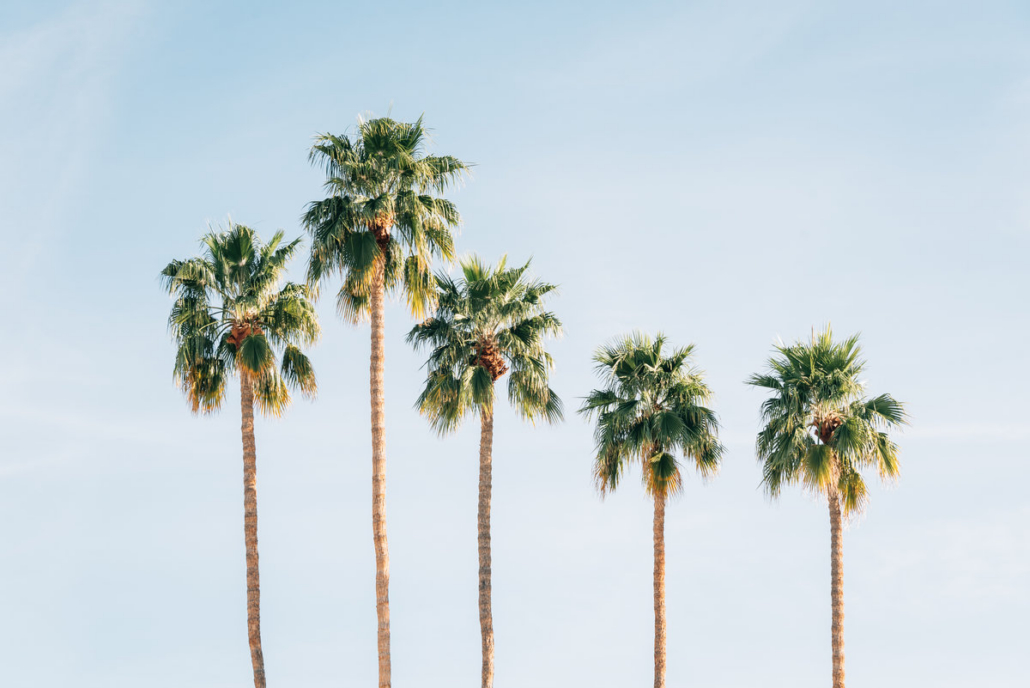
Palm trees are as much a part of the Southern California landscape as sunshine and ocean breeze, but when one comes down, the consequences can be devastating. A falling palm can crush a car, break bones, or cause life-altering injuries to anyone standing nearby. If you or someone close to you has been hurt by a falling palm tree, one of your first questions is almost certainly: who is responsible for this?
The answer depends on several key factors rooted in California property law, and the attorneys at Younglove Law Group are here to help you understand them. With over 20 years of combined experience and more than $60 million recovered for injured Californians, we handle premises liability claims with the thoroughness and personal attention your case deserves.
How California Determines Liability for Falling Trees
Under California law, property owners have a duty to maintain their land in a reasonably safe condition for visitors, neighbors, and anyone who may be affected by hazards on the property. That duty extends to trees, including palms. According to California Civil Code Section 833, ownership of a tree is determined by where its trunk stands, meaning whoever owns the land where the base of the palm is rooted is responsible for its maintenance.
That responsibility carries real legal weight. If a homeowner knew, or reasonably should have known, that a palm was diseased, structurally compromised, or in a dangerous state of deterioration and failed to act, they can be held liable when that tree injures someone. Courts focus on what the property owner knew and what steps, if any, they took in response.
The “Act of God” Defense and Its Limits
Homeowners sometimes argue that a falling tree resulted from an unforeseeable storm or natural event beyond their control, what California courts refer to as an “act of God.” Where a properly maintained, healthy palm falls during an extreme and unpredictable weather event, this defense may hold. However, it has limits that matter greatly to injured victims.
If a homeowner received warnings about a leaning or rotting palm, if the tree showed visible signs of disease or root failure, or if the palm had been neglected over time, the act of God defense may not apply even when a storm triggers the final fall. California courts have consistently focused on whether the owner had notice of the hazard and ignored it. A storm does not erase prior knowledge of a dangerous condition.
When Neighbors Are Injured
Palm trees in Southern California often grow tall enough that a falling trunk or dislodged fronds can cause injury well beyond the owner’s property line. When a neighbor is struck by a palm that originated on an adjoining property, California law still holds the tree’s owner accountable if negligence contributed to the fall. The location of the injury does not limit the claim, what matters is whether the tree owner failed to exercise reasonable care.
Warning Signs That Establish Notice
One of the most important elements in a falling palm tree injury case is establishing that the property owner had notice of the danger. Common warning signs of a hazardous palm include visible lean or instability, dead or browning fronds that have not been maintained, signs of root disease or base rot, pest infestation, or prior complaints from neighbors. If any of these conditions existed before the tree fell and the homeowner took no action, that inaction can serve as the foundation of a negligence claim.
The California Department of Public Health has noted that palm trees, particularly mature ones, require proper maintenance and that homeowners can face liability for worker injuries or harm to others when they fail to ensure their trees are properly cared for. This principle extends beyond workers to any person injured as a result of neglected palm tree maintenance.
What to Do After a Falling Palm Tree Injury
Protecting your claim begins immediately after the incident. Document the scene thoroughly with photographs, capturing the tree, its base, any visible signs of decay or prior damage, and your injuries. Seek medical attention right away, even if you feel the injury may be minor. Latent injuries from blunt-force trauma can worsen significantly in the days following an incident.
It is also important to preserve the tree itself or at least photograph it before it is removed. Property owners and their insurers sometimes move quickly to have fallen trees cleared away, which can destroy critical evidence. Consulting an attorney before that happens can make a meaningful difference in your ability to pursue a successful slip and fall or premises liability claim.
Contact Younglove Law Group After a Falling Palm Tree Injury
Falling palm tree injuries raise complex questions about property ownership, notice, and negligence, questions that require an attorney who knows how to investigate thoroughly and build a persuasive case. Younglove Law Group represents injured Californians in Orange County and throughout the state, and our team brings a hands-on, client-first approach to every matter we handle. We do not run a settlement mill. We take the time to understand what happened, gather the right evidence, and fight for the full value of what you have suffered.
Our firm handles personal injury claims on a contingency fee basis, which means you pay no legal fees unless we recover compensation for you. If you were injured by a falling palm tree, do not wait to get guidance. Contact Younglove Law Group today for a free consultation and let us help you take the next step toward accountability and recovery.


