
What Does “Soft Tissue Injury” Mean for Your Personal Injury Claim?
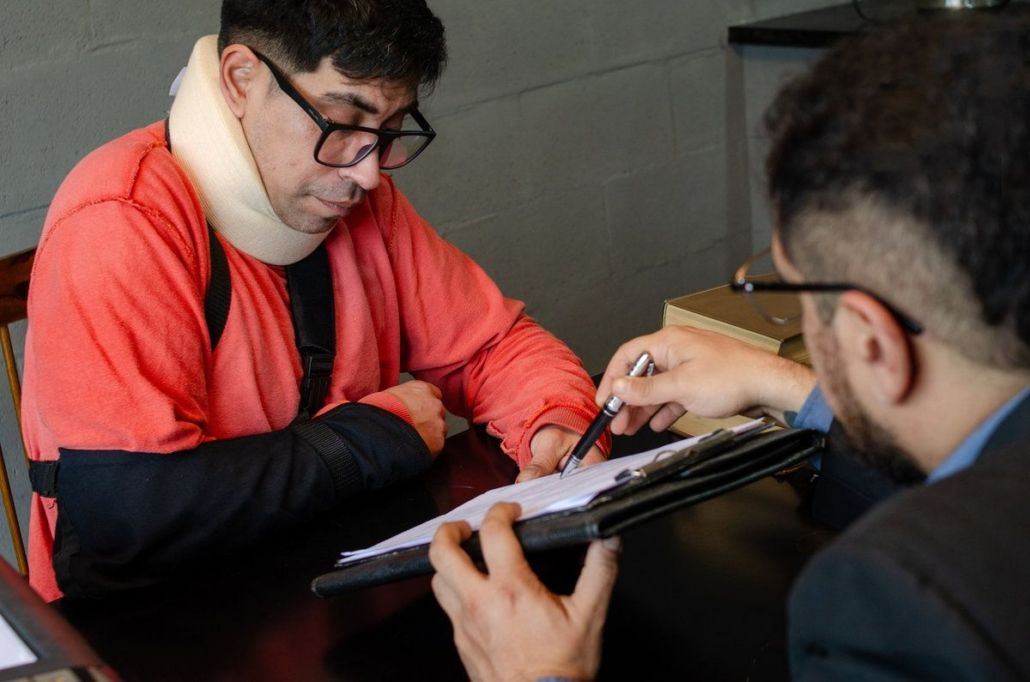
After an accident, you may hear your doctor use the term “soft tissue injury” to describe your pain and discomfort. The phrase sounds clinical, and it can feel dismissive when the aching in your neck, shoulder, or back is anything but minor. Understanding what soft tissue injuries are and how they factor into a personal injury claim can help you move forward with more clarity and confidence.
At Younglove Law Group, we work with clients across California who are navigating personal injury claims for the first time after an accident. We understand that soft tissue injuries are frequently misunderstood and undervalued by insurance companies, and we want to help you know what these injuries actually mean for your case.
What Is a Soft Tissue Injury?
Soft tissue injuries are injuries to the muscles, tendons, and ligaments throughout the body rather than the bones themselves. These tissues form the connective framework that enables movement and stability, and when they are damaged, the resulting pain, stiffness, and loss of function can be significant. According to MedlinePlus, a resource of the National Library of Medicine, a sprain is a stretch or tear of a ligament while a strain is a stretch or tear of a muscle or tendon.
In the context of a car accident or other traumatic incident, the sudden force exerted on the body can overstretch or tear these tissues in ways that do not always appear on a standard X-ray. That gap between physical experience and medical imaging is one reason soft tissue injuries can be particularly challenging from a legal standpoint.
Common Types of Soft Tissue Injuries
Accident victims frequently sustain one or more types of soft tissue injuries. Some of the most common include:
- Sprains: Overstretching or tearing of a ligament, most often affecting the ankles, knees, or wrists
- Strains: Stretching or tearing of a muscle or tendon, commonly occurring in the neck, back, or legs
- Whiplash: A soft tissue injury to the cervical spine caused by the rapid back-and-forth motion of the head during a collision
- Contusions: Bruising to muscle and surrounding tissue caused by direct blunt force impact
- Tendinitis: Inflammation of a tendon that may develop as a result of sudden trauma or overuse following an injury
These injuries range in severity from mild to quite serious, and symptoms such as pain, swelling, and limited range of motion may not appear immediately. In many cases, symptoms emerge in the days following an accident, which is why seeking prompt medical care after any incident is so important.
Why Insurance Companies Often Dispute These Claims
One of the most significant challenges with soft tissue injuries is that they are not always visible on standard imaging. Unlike a broken bone that shows clearly on an X-ray, soft tissue damage may only be detected through an MRI or by assessing reported symptoms and functional limitations over time. Insurance adjusters frequently use this ambiguity to challenge or minimize claims.
Insurers may argue that the injury is minor, pre-existing, or unrelated to the accident in question. This is why thorough medical documentation is so critical from the outset. Every medical visit, treatment record, physical therapy note, and provider assessment contributes to building a clear picture of your injury and its impact on your life.
How Compensation Is Determined for Soft Tissue Injuries
Compensation for soft tissue injuries in California typically accounts for medical expenses, lost wages, pain and suffering, and future treatment needs. The factors used to determine your compensation include the severity and duration of your injury, how it has affected your ability to work and carry out daily activities, and what ongoing treatment may be required.
Soft tissue injuries that lead to chronic pain or require extended physical therapy carry a different weight than those that heal within a few weeks. A neck injury that developed into a whiplash injury requiring months of treatment can significantly increase the value of a claim. In some situations, what initially appears to be a soft tissue injury may point to a more serious underlying condition, such as a spinal cord injury, which introduces additional complexity and compensation considerations.
Contact Younglove Law Group for Trusted Guidance
Soft tissue injuries deserve to be taken seriously, both medically and legally. At Younglove Law Group, our intake process is led entirely by attorneys, meaning you speak with experienced legal professionals from the very first conversation. We know the strategies insurance companies use to minimize these claims, and we are committed to pursuing the full compensation you are entitled to.
If you have been hurt in an accident and are unsure where your case stands, we encourage you to take the first step today. Contact us for a free consultation, and let our team guide you through every stage of the personal injury process.

