
Liability for Injuries Caused by Autonomous Delivery Robots in California
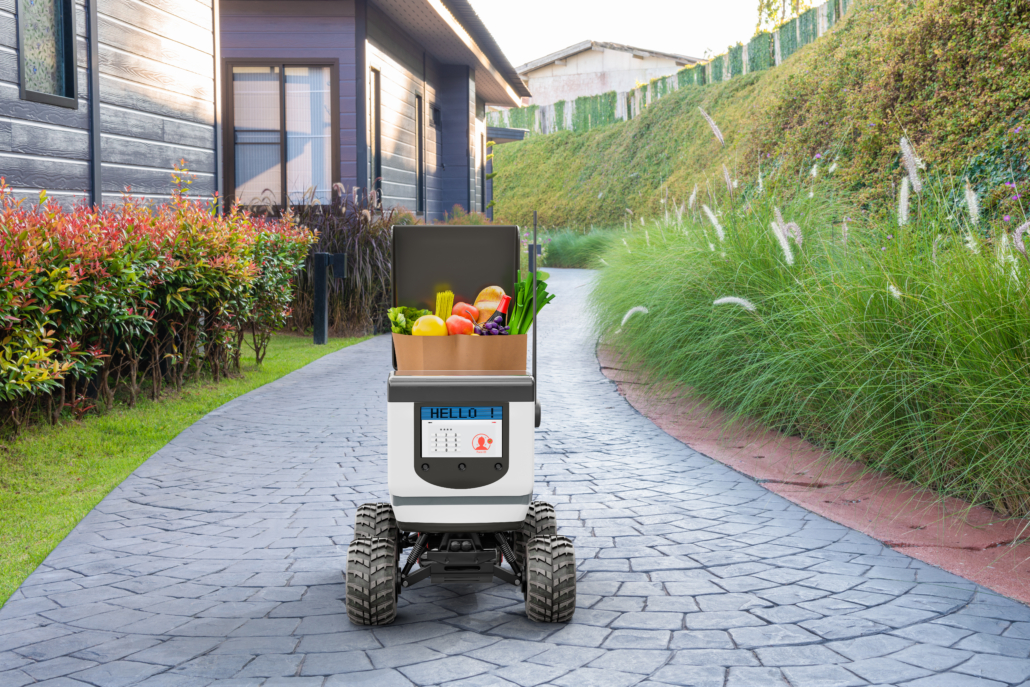
Autonomous delivery robots have become an increasingly common sight on California sidewalks and streets, transporting food, packages, and other goods to consumers. While these robots promise convenience and efficiency, they also introduce new safety concerns and complex questions about legal responsibility when accidents occur. As this technology proliferates, understanding who bears liability for injuries caused by these machines becomes critical for anyone harmed in such incidents.
At Younglove Law Group, we stay ahead of emerging legal issues affecting injury victims throughout California. Our attorneys have recovered over $60 million for clients and bring more than 20 years of combined experience to cases involving cutting-edge technology and evolving liability standards. We work diligently to identify all responsible parties and pursue maximum compensation for those injured by autonomous delivery robots.
The Current State of Autonomous Delivery Robots in California
Understanding premises liability becomes essential when autonomous delivery robots operate in public spaces. California has embraced autonomous delivery robot technology more rapidly than most states. These small, self-driving vehicles navigate sidewalks and crosswalks using sensors, cameras, and artificial intelligence to transport goods from restaurants and retailers to customers. The robots typically travel at walking speed and weigh between 50 and 500 pounds, depending on their design and cargo capacity.
State law currently allows autonomous delivery robots to operate on sidewalks and in crosswalks under specific conditions. California Vehicle Code Section 21280 defines these devices and establishes basic operational requirements, including speed limits, weight restrictions, and safety features. However, regulations have struggled to keep pace with the rapid advancement and deployment of this technology.
Several companies operate autonomous delivery robot fleets in California cities, including San Francisco, Los Angeles, and San Diego. These robots share pedestrian spaces with vulnerable users such as children, elderly individuals, and people with disabilities. The interaction between autonomous machines and human pedestrians creates numerous opportunities for accidents and injuries.
Common Injuries Caused by Autonomous Delivery Robots
Delivery robots can cause various types of injuries to pedestrians, cyclists, and other individuals who share public spaces with these machines. Collision injuries occur when robots fail to detect and avoid people in their path, leading to impact injuries ranging from minor bruises to severe fractures. The weight and momentum of larger delivery robots can cause significant harm, particularly to children and elderly individuals who have difficulty avoiding an approaching robot.
Tripping hazards represent another significant injury risk associated with delivery robots. These machines frequently stop unexpectedly or position themselves in pathways where pedestrians cannot easily see them, especially in low-light conditions. People who trip over stationary or slow-moving robots can suffer serious injuries, including head trauma, broken bones, and soft tissue damage.
Additional injury scenarios include the following types of incidents.
Visual Impairment Accommodation Failures
Robots that do not adequately alert visually impaired pedestrians to their presence can cause accidents when blind or low-vision individuals cannot detect approaching machines in time to avoid them.
Malfunction Incidents
Technical failures can cause robots to suddenly accelerate, move erratically, or lose complete control, creating dangerous situations for anyone in the vicinity.
Delivery Hazards
Objects falling from robot compartments or robots blocking emergency exits and accessibility routes can create obstacles that lead to injuries or prevent safe evacuation during emergencies.
Interference With Mobility Devices
Collisions between delivery robots and wheelchairs, walkers, or other assistive equipment can cause falls and injuries to individuals who rely on these devices for safe movement.
The psychological impact of robot-related accidents should not be overlooked. Individuals who experience frightening encounters with malfunctioning autonomous machines can develop anxiety about using public spaces, particularly when these incidents involve children or result in serious physical injuries.
Determining Liability in Autonomous Delivery Robot Accidents
Establishing responsibility for injuries caused by autonomous delivery robots involves analyzing multiple potential liable parties and legal theories. Unlike traditional motor vehicle accidents, where driver negligence typically establishes liability, robot-related injuries can implicate manufacturers, operators, software developers, and property owners in various combinations.
Manufacturing defects in the robot itself can create liability under California product liability law. If a design flaw, construction error, or inadequate safety feature caused the robot to injure someone, the manufacturer can bear responsibility. These cases require analysis of the robot’s design specifications, safety systems, and compliance with industry standards.
The company operating the delivery robot fleet can face liability based on negligent deployment, maintenance, or monitoring of its autonomous fleet. Operators have a duty to ensure their robots function safely in the environments where they operate. Failure to properly maintain equipment, update software, or respond to known safety issues can establish operator liability for resulting injuries.
Software developers who create the artificial intelligence systems controlling these robots can share liability when programming errors or algorithmic failures cause accidents. If the robot’s navigation system, obstacle detection, or decision-making protocols fail to meet reasonable safety standards, developers could face claims for negligent design or inadequate testing of their systems.
California Laws Governing Autonomous Delivery Robots
California Vehicle Code Section 21280 establishes the basic legal framework for autonomous delivery robots operating in the state. This statute defines eligible devices and sets operational parameters, including a maximum speed of 10 miles per hour on sidewalks and a weight limit of 200 pounds. Robots must also have a unique identification number, possess liability insurance, and comply with specific safety equipment requirements.
The law requires autonomous delivery robots to yield right-of-way to pedestrians and avoid unreasonably interfering with pedestrian traffic or other lawful uses of sidewalks. Robots cannot operate on roads with speed limits exceeding 25 miles per hour unless crossing at designated crosswalks. These statutory requirements create baseline standards courts can reference when evaluating whether a robot operator met their legal obligations.
Local jurisdictions retain authority to impose additional restrictions on autonomous delivery robot operations within their boundaries. Some California cities have implemented permit systems, designated robot-free zones, or established operational hours for autonomous deliveries. Violations of these local ordinances can provide evidence of negligence in personal injury cases.
Liability insurance requirements under California law mandate robot operators maintain coverage for property damage and bodily injury caused by their devices. This insurance requirement ensures injury victims have a potential source of compensation, though policy limits cannot always cover the full extent of serious injuries.
Building a Strong Case After an Autonomous Robot Injury
Successful recovery in autonomous delivery robot cases depends on thorough investigation and preservation of critical evidence. Immediately documenting the accident scene, including photographs of the robot, surrounding conditions, and visible injuries, creates a contemporaneous record that becomes invaluable during litigation. Witness contact information should be obtained whenever possible, as bystanders can have observed the robot’s behavior leading up to the incident.
Identifying the specific robot and its operator requires prompt action. Delivery robots typically display identification numbers and company logos, but these details can be difficult to recall accurately after a traumatic incident. Police reports documenting the accident should include this identifying information, making law enforcement notification an important step even when injuries initially seem minor.
Medical attention serves dual purposes after a robot-related injury. Beyond addressing immediate health concerns, medical records establish the nature and extent of injuries, creating essential documentation for any legal claim. Delayed medical treatment allows insurance companies to argue injuries were not serious or resulted from other causes.
Technical evidence often proves crucial in autonomous delivery robot cases. Data logs from the robot’s onboard systems can reveal its speed, direction, and sensor readings at the time of the accident. Our attorneys work with technology specialists to obtain and analyze this electronic evidence, which operators can be reluctant to voluntarily produce.
How Younglove Law Group Handles Autonomous Delivery Robot Injury Cases
Our firm approaches emerging technology cases with the same dedication and thoroughness we bring to all personal injury matters. We invest in understanding the technical aspects of autonomous delivery systems, consulting with specialists in robotics, artificial intelligence, and safety engineering to build compelling cases. This technical knowledge allows us to effectively challenge defense claims robots operated as designed or that injuries resulted from victim error.
We identify all potentially liable parties and pursue compensation from every available source. Manufacturers, operators, software developers, and insurers all face accountability when their products or services cause harm. Our comprehensive approach to liability analysis ensures responsible parties cannot hide behind the complexity of autonomous systems to avoid compensating injury victims.
Throughout the claims process, we handle all communications with insurance companies and corporate defendants while keeping clients informed about case developments. We understand injuries caused by autonomous technology can feel particularly frustrating and confusing, so we take time to explain legal strategies and realistic expectations. Our contingency fee arrangement means clients pay no legal fees unless we successfully recover compensation.
Reach Out to Younglove Law Group After an Autonomous Delivery Robot Injury
If an autonomous delivery robot injured you, you deserve compensation for medical expenses, lost wages, pain and suffering, and other damages. The companies deploying these robots have legal obligations to ensure public safety, and failure to meet those obligations creates liability for resulting harm. Do not let the novelty or complexity of autonomous technology discourage you from pursuing the compensation you deserve.
Younglove Law Group offers free consultations to evaluate your case and explain your legal options. We have successfully handled complex product liability cases throughout California, recovering millions of dollars for injured clients. Contact us today to discuss your autonomous delivery robot injury claim with an experienced attorney.


