
How Pre-Impact Terror and Loss of Enjoyment Claims Work in California
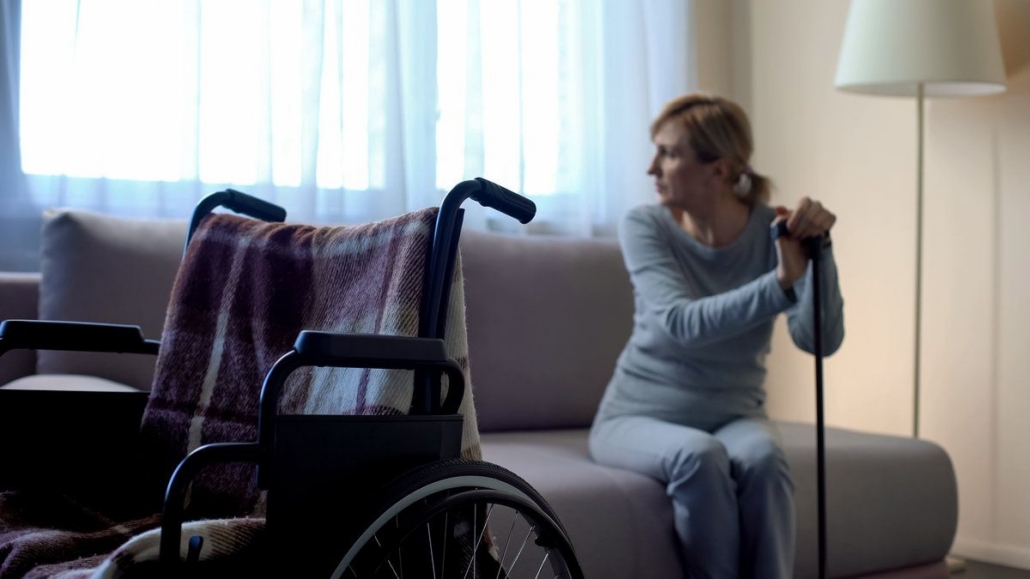
In the seconds before a crash, a victim can see what is coming and can do nothing to stop it. That moment of helpless terror is not just a horrifying memory in California; it can be a recognized component of your personal injury claim. The law recognizes that harm does not begin only when metal meets metal, nor does it end when physical wounds heal.
At Younglove Law Group, we work to make sure every layer of your suffering is accounted for. California personal injury claims cover far more than medical bills and lost wages. Our attorneys have more than 20 years of combined experience helping clients throughout Southern California pursue the full range of non-economic damages the law allows, and we take pride in building cases that reflect what victims actually go through.
What Is Pre-Impact Terror?
Pre-impact terror refers to the fear, panic, and mental anguish a person experiences in the moments before a collision occurs. It is a distinct category of damages that recognizes conscious suffering as compensable, even when that suffering happens before any physical contact.
How California Courts Treat Pre-Impact Terror
California courts allow victims to claim compensation for the psychological distress they experienced while anticipating an imminent impact. Under the California Civil Jury Instructions (CACI), juries are guided to consider the nature, extent, and duration of a plaintiff’s physical and mental suffering. Pre-impact terror fits squarely within that framework because the fear itself constitutes real, demonstrable harm. A driver who sees another vehicle running a red light directly at them, or a pedestrian who watches a car mount the curb seconds before being struck, endures genuine mental suffering that the law does not ignore.
What You Must Be Able to Show
To recover for pre-impact terror, your claim generally needs to establish that you were conscious and aware of the impending harm, that the time between perception and impact was sufficient to experience fear, and that your emotional response was a direct result of the defendant’s conduct. Even a few seconds of awareness can support this claim. Courts have recognized that fear compressed into a brief window can be as psychologically damaging as a longer ordeal.
Understanding Loss of Enjoyment of Life
Loss of enjoyment of life is a separate but related non-economic damage category. It addresses the ways a serious injury permanently or significantly limits a person’s ability to do the things they once loved. This is not about temporary inconvenience. It is about the runner who can no longer run, the parent who can no longer play with their children, or the musician who can no longer perform.
California law recognizes that a full life includes hobbies, relationships, physical activities, and personal goals. When an injury strips those away, the loss carries real value. Learning how California calculates loss of enjoyment of life can help you understand what your claim could be worth.
How These Damages Are Calculated
There is no fixed formula for valuing the loss of enjoyment of life. Juries consider several factors to reach a fair figure:
- The plaintiff’s age: Younger victims typically face more years of diminished quality of life, which can increase the value of this damage category.
- Pre-injury lifestyle: Evidence of an active life, hobbies, and meaningful activities strengthens the claim and helps juries understand what was lost.
- The permanence of the limitation: Permanent restrictions carry greater weight than temporary ones, and medical testimony plays a central role in establishing permanence.
- Testimony and documentation: Journals, photos, statements from family and friends, and expert testimony all help paint a full picture of what the victim has lost.
Because these damages are inherently subjective, effective legal advocacy makes a significant difference in the outcome.
How Pre-Impact Terror and Loss of Enjoyment Interact
These two damage categories are distinct, but they often appear together in serious injury cases. A victim who experienced terror before a crash may also face lasting psychological effects, including PTSD, anxiety, and a diminished ability to engage in daily life that form the basis of a loss of enjoyment claim. According to the California Courts’ official jury instructions, mental suffering and emotional distress are explicitly listed among compensable elements of pain and suffering in personal injury cases.
If you were seriously hurt in an accident, it is worth exploring both claims with an attorney. The physical injuries visible on a medical chart are rarely the whole story. A catastrophic injury can disrupt every part of a victim’s life, and the law gives courts the tools to compensate for that disruption in full. Victims should also understand whether caps apply to their non-economic damages, as California’s rules in this area have evolved in recent years and can affect what you recover. And while pre-impact terror and loss of enjoyment focus on mental and emotional harm, emotional distress claims after a California accident operate under a related but separate legal framework.
Contact Younglove Law Group to Discuss Your Claim
Younglove Law Group represents seriously injured people throughout Southern California. Our attorneys have recovered more than $60 million for clients across California, and we bring more than 20 years of combined experience to every case we take. We operate on a no-fee-unless-you-win basis, which means you pay nothing unless we recover compensation for you. We are available 24 hours a day, seven days a week for a free consultation, and we respond the same day you contact us.
If you have been hurt in an accident, you deserve a team that fights for every dollar the law allows, including damages that go beyond your hospital bills. Pre-impact terror, loss of enjoyment, and other non-economic damages can represent a substantial portion of your total recovery. To speak with our team about your situation, reach out through our contact form today.


