
Can You File a Personal Injury Claim If You Were Cited at the Scene?
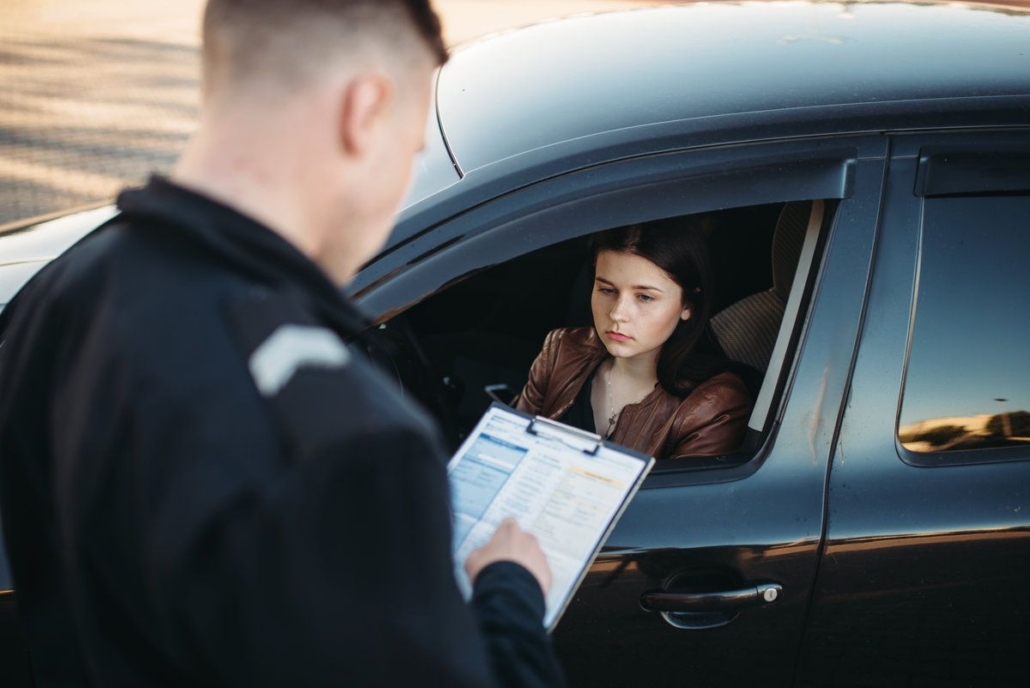
A traffic citation at the scene of an accident can feel like the final word on who is to blame, but in California, it is far from it. Receiving a ticket after a crash does not automatically disqualify you from pursuing compensation for your injuries, and understanding the difference between a traffic infraction and civil liability is one of the most important distinctions any injured person can make.
At Younglove Law Group, we have spent more than 20 years helping injury victims throughout Southern California navigate exactly these kinds of situations. Our attorneys have recovered more than $60 million for clients, many of whom initially believed a citation at the scene meant their case was lost before it even started. It is not, and we are here to explain why.
A Citation Is Not a Verdict
California’s civil court system operates independently from the traffic enforcement system. When an officer issues a citation, that officer is making a judgment call based on limited information gathered in a matter of minutes at the scene. Courts have consistently recognized that these snap determinations do not always capture the full picture of how an accident occurred.
Civil Liability and Traffic Tickets Are Separate
A traffic ticket is processed in criminal or administrative traffic court, where the standard of proof and the stakes are entirely different from a personal injury claim. A citation is evidence, but it is not conclusive proof of civil liability. Insurance companies and defense attorneys frequently attempt to use a citation against an injured person, which is exactly why having experienced legal representation on your side matters from the start.
What the Other Party Still Has to Prove
In California, a citation issued to you does not mean the other party is automatically free of responsibility. To prevail in a civil claim, the opposing party must establish that their own conduct was entirely blameless, which is a much higher bar than simply pointing to a ticket. Witness statements, dashcam footage, vehicle black boxes, and accident reconstruction can all reveal facts that a roadside citation never captured.
California’s Pure Comparative Fault Rule Works in Your Favor
California follows a pure comparative fault system, which is one of the most favorable frameworks for injured claimants in the country. Under this rule, you can recover compensation even if you are found partially responsible for the accident. Your total compensation is simply reduced by your percentage of fault. If you are found 30% at fault, for instance, you can still recover 70% of your damages.
This is a critical point that insurance adjusters often obscure. They know California law allows recovery regardless of shared fault, and they use citations as leverage to push settlements far below what injured victims are actually entitled to receive. According to the National Safety Council, motor vehicle crashes result in millions of injuries each year, and the financial toll on victims can be devastating. Accepting a lowball offer after receiving a citation means leaving real money on the table. Understanding what happens when you are partially at fault in a California accident is essential before making any decisions.
What to Do If You Were Cited at the Scene
Being cited does not mean you should accept blame or go silent. The steps you take in the days following the accident can significantly affect the strength of your claim. The most important actions include preserving evidence, getting prompt medical attention, and avoiding recorded statements to the other party’s insurance company without legal counsel present.
Critically, do not plead guilty to the traffic citation without first consulting an attorney. A guilty plea in traffic court can be used against you in civil proceedings. An experienced attorney can help you avoid common pitfalls when reporting a personal injury claim and assess whether the citation accurately reflects what happened. Evidence that contradicts the officer’s conclusion can still be gathered and presented in your civil case, even if the ticket itself was not contested.
The following types of evidence are often decisive in cases with disputed liability:
- Dashcam and surveillance footage showing the sequence of events
- Eyewitness accounts from bystanders who observed the collision
- Cell phone records establishing distracted driving on the other party’s part
- Event data recorder information from vehicles involved in the crash
- Photographs and measurements from the accident scene
Collecting this evidence early is critical, as it can disappear quickly. Our team takes disputed liability cases seriously and works to build the fullest picture of what actually occurred. We also understand why a police report matters and how to counter a report that does not reflect the full truth of what happened.
Contact Younglove Law Group Today
If you were cited after an accident and are wondering whether you still have a claim, the answer is very likely yes. At Younglove Law Group, we do not let a roadside ticket determine the outcome of your case. We are not a settlement mill. We are a firm that fights to maximize the value of your claim, and we do not get paid unless we win.
We offer free consultations 24 hours a day, 7 days a week, and we respond to every client the same day they reach out. Contact us today to speak with a member of our team about what happened and find out how we can help you pursue the full compensation you deserve.
Frequently Asked Questions About Citations and Personal Injury Claims
Does pleading not guilty to a citation help my injury claim?
It can preserve your options. A guilty plea can potentially be used against you in a civil case, so it’s worth consulting an attorney before responding to any citation tied to an accident.
What if the other driver wasn’t cited at all?
A citation, or the lack of one, is not the final word on fault. Evidence like witness statements, footage, and event data recorder information can still establish the other party’s liability.
How does comparative fault affect my settlement if I was partially at fault?
Under California’s pure comparative fault rule, your compensation is reduced by your percentage of fault rather than eliminated entirely, so even significant shared fault doesn’t bar recovery.
Should I talk to the insurance company after being cited?
It’s best to avoid giving a recorded statement to the other party’s insurer without legal counsel present, since adjusters may use a citation as leverage to minimize your settlement.
How quickly should I contact an attorney after receiving a citation?
As soon as possible. Early involvement helps preserve time-sensitive evidence like footage and witness accounts that can support your case regardless of the citation.


