
How to Care for a Loved One With a Severe Personal Injury
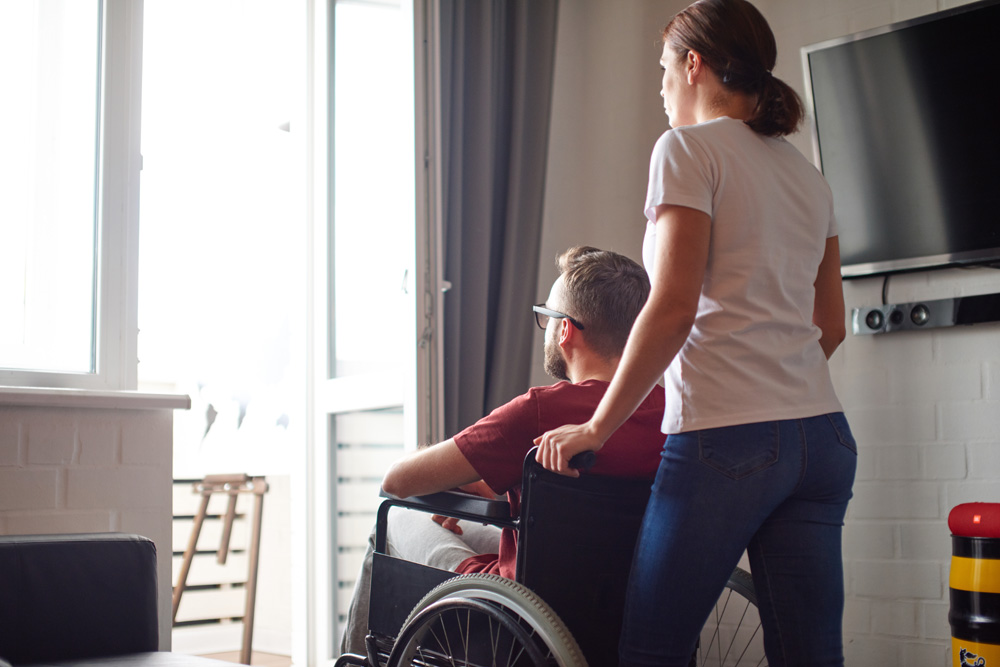
When a loved one suffers a severe personal injury, the days and weeks that follow can feel disorienting for the whole family. Medical appointments stack up, insurance calls multiply, and you may find yourself learning how to be a caregiver and an advocate at the same time, often with little warning and even less preparation. Understanding what to expect, both medically and legally, can help you support your injured family member while protecting your own well-being. Every family’s situation looks a little different, but the practical, emotional, and legal considerations below tend to come up again and again.
At Younglove Law Group, we work with families across California who are caring for an injured relative while also trying to understand their legal options. Our attorneys handle a wide range of personal injury practice areas, and we regularly counsel family caregivers on how to balance day-to-day care with protecting an injured family member’s legal rights. The guidance below reflects patterns we see again and again in the families we represent.
Immediate Steps to Take When a Loved One Suffers a Severe Injury
The first few days after a severe accident often set the tone for everything that follows, both medically and legally. If it has not already happened, confirm that your loved one has received a full medical evaluation, since some injuries, such as internal bleeding or a concussion, may not show obvious symptoms right away.
It also helps to designate one family member as the primary point of contact for doctors, insurance adjusters, and other relatives. This reduces confusion, keeps information consistent, and gives your loved one a single trusted person to lean on during a stressful stretch. Start keeping a simple written or digital record of appointments, diagnoses, and conversations with medical providers. This record can help you make informed care decisions, and it can also become useful evidence if your loved one later pursues a personal injury claim.
If the accident scene is still accessible, photographs of the location, any vehicles or equipment involved, and visible injuries can preserve details that are easy to forget once treatment begins. Be cautious about giving a recorded statement to an insurance company during this early period, since adjusters sometimes reach out before your loved one’s full injuries, or the long-term impact of those injuries, are known.
It is also reasonable to hold off on signing any settlement release or medical authorization from an insurance company until your family has had a chance to review it, ideally with an attorney. These documents can affect your loved one’s ability to pursue a full claim later, and there is rarely a reason to sign quickly in the days right after a severe accident.
Your Loved One’s Diagnosis and Treatment Plan
To make informed decisions about your loved one’s care, you need a clear picture of their diagnosis, prognosis, and treatment plan. Ask their medical team direct questions, take notes during appointments, and do not hesitate to ask about a second opinion for a serious diagnosis. It is common for a treatment plan to change more than once as your loved one progresses through different stages of recovery, so periodic check-ins with the care team, rather than a single initial conversation, tend to give you the clearest overall picture.
Traumatic Brain Injuries
A traumatic brain injury can affect memory, mood, coordination, and communication in ways that are not always visible from the outside. Recovery is often gradual, and cognitive or behavioral changes may continue to emerge for months after the initial accident, so ongoing evaluation by a neurologist or rehabilitation specialist matters as much as the initial diagnosis.
Spinal Cord Injuries
A spinal cord injury can result in partial or complete loss of function below the point of injury, and the treatment plan may involve surgery, extended rehabilitation, and adaptive equipment for daily living. These cases often require close coordination between physical therapists, occupational therapists, and specialists who understand the specific level of the injury.
Other Severe and Catastrophic Injuries
Severe burns, multiple fractures, and organ damage can carry treatment timelines and long-term care needs, similar to a burn injury, that are easy to underestimate in the first weeks after an accident. Regardless of the specific diagnosis, understanding the treatment plan early may help you set realistic expectations for recovery and plan for the months or years ahead.
Providing Practical, Day-to-Day Support
Once your loved one’s condition stabilizes, your role shifts from crisis response to sustained, practical support. Caregiving responsibilities can be extensive, and it helps to think through them as a checklist rather than trying to manage everything at once.
Depending on the severity of the injury, you may find yourself handling some or all of the following:
- Daily needs: Meals, hygiene, and comfort often require the most consistent attention in the early recovery period.
- Professional care: Qualified nursing facilities or home health care providers can supplement what family caregivers are able to do alone.
- Transportation and scheduling: Maintaining appointments and providing rides to medical providers helps keep treatment on track.
- Home and vehicle modifications: Ramps, grab bars, or adaptive equipment may be necessary to accommodate a lasting disability.
- Insurance and paperwork: Someone needs to track claims, bills, and correspondence so nothing falls through the cracks.
No single caregiver can reasonably manage every item on this list alone, and asking for help from other relatives, friends, or paid professionals is a practical decision, not a sign of failure. When more than one family member is available to help, a simple shared calendar can prevent duplicated effort and make sure appointments, medications, and errands do not fall through the cracks between caregivers.
A severe injury can also strain household finances quickly, since a caregiver may need to reduce work hours at the same time medical bills and home care costs increase. Talking with an employer early about medical leave options, and keeping a simple budget of new expenses, can make the financial side of caregiving less overwhelming. Our related article on the long-term financial impact of a personal injury covers this in more depth.
Offering Emotional Support to Your Injured Family Member
A severe injury affects more than the body. Many patients experience anxiety, frustration, or grief over the life they had before the accident, and your patience matters as much as any practical help you provide.
Recognizing Common Emotional Reactions
Fear, irritability, and withdrawal are common after a traumatic injury, and they are not a reflection of how your loved one feels about you or your caregiving. Some patients also experience symptoms of post-traumatic stress, particularly if the accident itself was frightening or violent, and these reactions often surface weeks after the physical injury has started to heal.
Ways to Show Support
Listen without judgment when your loved one wants to talk, and resist the urge to minimize their feelings or rush them toward moving on. Where possible, respect their independence and involve them in decisions about their own care rather than making choices for them. If you notice ongoing signs of depression, sleep problems, or withdrawal, gently encourage them to talk with their doctor or a mental health professional, since these reactions are common after a traumatic injury and often respond well to support.
Try to keep some normal routines in place where possible, such as regular meals, favorite shows, or visits from friends. Familiar patterns can offer a sense of stability at a time when so much else in your loved one’s life has changed, and small moments of normalcy often matter more than any single conversation.
Protecting Your Own Well-Being as a Caregiver
As a caregiver, it is easy to put your own needs last, but self-care is not optional if you want to sustain the role over the long term. Skipping meals, losing sleep, or ignoring your own medical needs eventually limits how much support you can actually provide.
Build small breaks into your routine, lean on other family members when you can, and pay attention to your own signs of stress or burnout. Protecting your physical and emotional health is not selfish. It is what allows you to remain a steady, capable support system for your loved one over the weeks and months of recovery that lie ahead.
Practical steps can help protect that balance. Keep your own medical and dental appointments instead of postponing them, accept offers of help from friends and extended family rather than declining out of habit, and consider a short-term respite care option if one is available, even for a single afternoon. Small, consistent breaks tend to do more for long-term stamina than an occasional day off after weeks of running on empty.
Watch for warning signs that you are approaching burnout, such as persistent exhaustion, irritability with the person you are caring for, or a sense of dread about the day ahead. These signs are common among family caregivers and are worth addressing early, rather than waiting until you reach a breaking point.
Finding Strength Through Counselors and Support Networks
Caring for a severely injured family member can bring on feelings of isolation, especially if friends or coworkers do not fully understand what your household is going through. A professional counselor or a caregiver support group can give you space to process those emotions in a healthy way. Many hospitals and rehabilitation centers also offer caregiver support groups as part of their patient services, so it is worth asking your loved one’s care team about local options.
Support networks, whether in person or online, often provide practical value beyond emotional relief. Other caregivers can share resources on home health agencies, insurance questions, or accessible equipment, and simply hearing that your reaction to a difficult situation is normal can be its own form of relief. You are far from the only person managing this kind of responsibility, and you do not have to figure it out alone. Some families find that a mix of resources works best, such as a private counselor for one-on-one processing and an online caregiver forum for quick, practical questions between sessions. For a closer look at how a serious injury can affect a family over time, see our related article on evaluating the long-term effects of accident-related disabilities.
California’s Personal Injury Laws and Filing Deadlines
Alongside the medical and emotional side of caregiving, California law sets firm deadlines for pursuing a personal injury claim. According to the California Courts Self-Help Guide, a person injured by someone else’s actions usually has two years from the date of the injury to file a lawsuit, and a shorter deadline applies if a government agency was involved.
These deadlines can be easy to overlook while you are focused on medical appointments and caregiving duties, but missing one can permanently bar your loved one from seeking compensation, regardless of how strong the underlying claim may be. Speaking with an attorney early, even before your loved one’s treatment is complete, can help preserve their options while the family focuses on recovery.
It is also worth noting that filing an insurance claim is not the same as filing a lawsuit, and the two follow different timelines. Many families work with an insurance adjuster first, but if a fair settlement does not materialize before the filing deadline approaches, your loved one may need to file suit in order to preserve the claim, even if settlement talks are ongoing.
Because some injuries, such as certain head injuries or the psychological effects of a traumatic accident, can take time to fully diagnose, it is worth discussing the timeline of your loved one’s injury with an attorney sooner rather than later. An attorney can help clarify how the applicable deadline lines up with your family’s specific situation, rather than leaving that assessment to guesswork.
Protecting Your Loved One’s Legal Rights After a Severe Injury
Severe personal injury cases, sometimes classified as catastrophic injury claims, often involve significant and ongoing costs. Hospitalization, rehabilitation, home and vehicle modifications, outpatient care, medications, and long-term nursing or home health services can add up quickly, and many of these costs continue well after the initial accident.
If a negligent party caused your loved one’s injuries, they may be able to recover compensation for medical expenses, lost wages, emotional distress, and other losses connected to the accident. California also allows for a reduction in compensation if your loved one is found partially responsible for the accident, so a thorough investigation into how the accident happened is an important part of building a claim.
The written records you keep as a caregiver, including medical appointment notes, photos, and a simple log of how the injury has affected daily life, often become part of the evidence an attorney uses to support a claim. Insurance companies frequently look for gaps or inconsistencies in a family’s account of an injury, so keeping this kind of documentation organized from early on can make the process smoother if your loved one decides to pursue a claim.
Speak to an experienced California personal injury lawyer at Younglove Law Group for a detailed review of the case and an honest assessment of the options available. We can help your family understand what the claims process typically involves and what to expect as it moves forward.
Frequently Asked Questions About Caring for a Loved One With a Severe Personal Injury
How long do I have to file a personal injury claim in California?
In most California personal injury cases, the deadline to file a lawsuit is two years from the date of the injury. Shorter deadlines can apply when a government agency is involved, and missing the applicable deadline generally bars the claim regardless of its strength. Speaking with an attorney soon after a severe injury can help your family understand which deadline applies to your specific situation.
Can I pursue a claim on behalf of my injured family member?
In many cases, yes, particularly if your family member is incapacitated or unable to manage legal matters on their own. This often requires a formal legal arrangement, such as being appointed as a guardian or conservator, so that you can act on their behalf. An attorney can walk you through the specific steps required in your situation and help determine who is authorized to pursue the claim.
How much does it cost to hire a personal injury attorney in California?
Many California personal injury attorneys, including our firm, work on a contingency fee basis, which means there is generally no upfront cost to hire an attorney and no fee unless the case results in a recovery. This arrangement allows families to pursue a claim without adding legal bills on top of medical expenses during an already difficult time. Fee terms vary by firm, so ask for a clear explanation before signing an agreement.
Can a caregiver recover compensation for their own losses?
Family members who take on caregiving duties sometimes have their own losses, such as missed work or out-of-pocket caregiving costs, that may factor into a claim. In some cases, spouses may also be able to pursue a separate claim for loss of consortium. Whether these losses can be recovered depends on the facts of the case, so it is worth discussing your specific circumstances with an attorney.
What should I do if an insurance adjuster contacts me about my loved one’s injury?
It is generally best to avoid giving a detailed statement or accepting an early settlement offer before speaking with an attorney. Insurance adjusters often contact families quickly after an accident, and early offers can be lower than what a claim may ultimately be worth once the full extent of the injury is known. Politely let the adjuster know that you will follow up after consulting with legal counsel.
When should our family contact a personal injury attorney?
It is generally best to contact an attorney as soon as possible after a severe injury, even while your loved one is still in treatment. Early legal guidance can help preserve evidence, clarify filing deadlines, and prevent early missteps with insurance companies, all while your family continues to focus on medical care and recovery.
Contact Younglove Law Group About Your Loved One’s Personal Injury Case
Younglove Law Group represents families across California who are caring for a severely injured relative, and legal questions often compete for attention alongside medical appointments and day-to-day caregiving tasks. Our attorneys focus on personal injury and catastrophic injury cases, and we aim to give families a clear, honest picture of their options rather than add to the stress of an already difficult time.
If your family is caring for a loved one after a severe accident caused by someone else’s negligence, we can review the details of what happened and explain the legal options that may be available. We know that the legal process is only one part of what your family is managing right now, and our goal is to make that part as clear and manageable as possible so you can stay focused on your loved one’s recovery. Fill out our contact form to schedule a consultation and get straightforward answers about your family’s next steps.


