
Legal Rights After Flash Flood Injuries in Southern California Canyon Roads
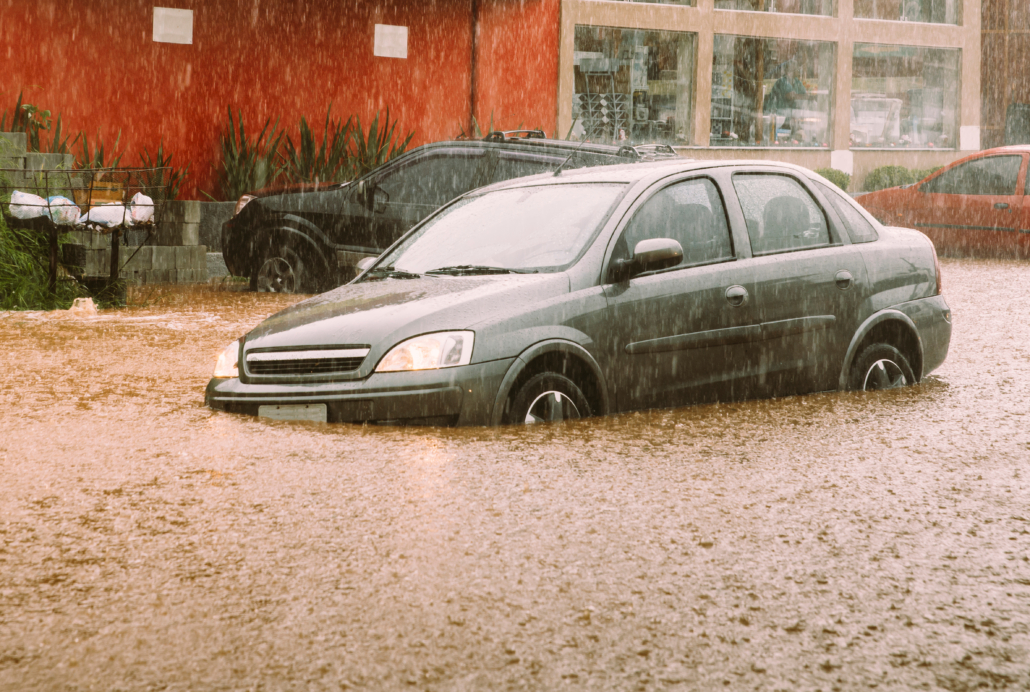
Southern California’s canyon roads present unique dangers that become even more severe during flash flood conditions. These narrow, winding routes through mountainous terrain can transform from peaceful drives into life-threatening situations within minutes when sudden rainfall causes water to rush through canyons. When flash floods strike, drivers and passengers can suffer serious injuries or fatalities, leaving victims and their families struggling to understand their legal rights and options for compensation.
At Younglove Law Group, we help injury victims navigate the complex legal landscape surrounding flash flood accidents on canyon roads. Our attorneys have recovered over $50 million for clients and bring more than 20 years of combined experience to cases involving natural disasters, governmental liability, and catastrophic injuries. We work diligently to identify all responsible parties and pursue maximum compensation for those harmed by flash flood incidents.
Understanding Flash Flood Risks on Southern California Canyon Roads
Flash floods represent one of the most dangerous weather-related hazards in Southern California, particularly in canyon areas where geography amplifies water flow. These sudden surges of water can occur within minutes of heavy rainfall, often with little warning to travelers on canyon roads. The steep terrain, limited drainage infrastructure, and narrow road configurations create conditions where even moderate rainfall can produce deadly flooding.
Popular canyon routes such as Topanga Canyon Road, Malibu Canyon Road, and various San Gabriel Mountain passes see regular traffic from commuters, tourists, and recreational visitors. The sudden nature of these floods means drivers often have little warning before encountering dangerous water crossings. Water depths can increase dramatically within seconds, trapping vehicles and putting occupants at severe risk.
California’s Mediterranean climate creates particular vulnerability to flash flooding during winter storms and periodic atmospheric river events. Burn scars from recent wildfires further exacerbate flood risks, as vegetation loss eliminates natural barriers that would otherwise slow water flow. Property development in canyon areas can also contribute to increased runoff and flooding intensity.
Common Injuries from Flash Flood Accidents
Flash flood incidents on canyon roads can cause devastating injuries to vehicle occupants and anyone caught in the water’s path. Drowning represents the most severe risk when vehicles become submerged or when occupants attempt to escape rising water. Even a few inches of fast-moving water can sweep people off their feet, while water levels that reach vehicle doors make escape extremely difficult.
Blunt force trauma occurs when floodwaters push vehicles into canyon walls, other cars, or debris carried by the current. The force of rushing water can roll vehicles, crush them against obstacles, or carry them significant distances from the road. Occupants can suffer head injuries, broken bones, internal organ damage, and spinal cord trauma from these violent impacts.
Additional flash flood injuries include:
- Hypothermia and cold water exposure: Extended immersion in cold floodwater can cause dangerous drops in body temperature, leading to confusion, loss of consciousness, and organ failure if rescue does not occur quickly.
- Lacerations and penetrating injuries: Debris carried by floodwaters, including rocks, tree branches, and metal fragments, can cause severe cuts and puncture wounds that lead to significant blood loss and infection risks.
- Crush injuries: Vehicles compressed by water pressure or impact with obstacles can trap occupants, causing crush syndrome, compartment syndrome, and permanent tissue damage requiring amputation.
- Psychological trauma: Survivors of flash flood incidents often experience post-traumatic stress disorder, anxiety, and phobias related to driving or being in enclosed spaces after their terrifying experiences.
Recovery from flash flood injuries often requires extensive medical treatment, including emergency rescue operations, hospitalization, surgery, and long-term rehabilitation. The sudden and violent nature of these incidents can result in injuries that permanently alter victims’ lives and their families’ futures.
Who Can Be Held Liable for Flash Flood Injuries
Determining liability for flash flood injuries involves examining the responsibilities of various entities that maintain, monitor, and warn about conditions on canyon roads. Government agencies bear primary responsibility for road maintenance, drainage infrastructure, and warning systems designed to protect travelers from flood hazards. When these entities fail to adequately maintain flood control measures or provide timely warnings, they can face liability for resulting injuries.
The California Department of Transportation (Caltrans) maintains many canyon roads throughout the state and has a duty to implement reasonable flood prevention and warning measures. This responsibility includes maintaining drainage systems, installing appropriate signage, monitoring weather conditions, and closing roads when flooding poses imminent danger. Failure to meet these obligations can create governmental liability under California Government Code Section 835.
Local municipalities and counties also share responsibility for canyon roads under their jurisdiction. These entities must inspect and maintain drainage infrastructure, respond to known flooding problems, and implement warning systems that give travelers adequate notice of dangerous conditions. When governments ignore repeated flooding incidents or fail to address known hazards, injured parties may pursue compensation through claims against these public entities.
Private property owners adjacent to canyon roads have a duty to ensure their land use and development do not increase flood risks for travelers. Modifications that alter natural drainage patterns, remove vegetation, or increase impervious surfaces can contribute to flash flooding. Property owners who negligently create or exacerbate flood hazards may face liability when their actions cause injuries to road users.
Government Liability for Inadequate Flood Warning Systems
California law provides qualified immunity to governmental entities, but important exceptions allow injury victims to pursue claims when public entities fail to protect against dangerous conditions. Government Code Section 835 creates liability when a dangerous condition of public property causes injury, and the public entity had actual or constructive notice of the condition. Flash flood cases often turn on whether government officials knew or should have known about flood risks and failed to take adequate protective measures.
Warning system inadequacies represent a common basis for governmental liability in flash flood cases. When public entities fail to install appropriate signage, implement road closure procedures, or utilize available technology to alert travelers about flood risks, they can face responsibility for resulting injuries. The absence of basic flood gauges, real-time monitoring, or automated closure systems in known flood zones may constitute a dangerous condition.
Maintenance failures also support governmental liability claims. Neglected drainage infrastructure, clogged culverts, and inadequate flood control measures can transform manageable rainfall into dangerous flooding. Evidence of deferred maintenance, ignored repair requests, or budget cuts that compromised flood protection systems strengthens claims against public entities.
California Government Code Section 815.6 allows claims based on mandatory duties imposed by statute or regulation. When government entities violate specific legal requirements related to road safety, flood control, or public warning systems, they face potential liability without the protection of discretionary immunity. Identifying applicable mandatory duties requires thorough legal analysis and understanding of relevant statutes and regulations.
Proving Breach in Flash Flood Injury Cases
Successful flash flood injury cases require demonstrating the responsible party knew or should have known about the flood risk and failed to take reasonable steps to prevent harm. This demonstration of breach requires several key elements that establish both the dangerous condition and the defendant’s failure to address it appropriately.
Documentation of prior flooding incidents at the accident location provides critical evidence that the responsible parties had notice of dangerous conditions. Historical records, news reports, previous accident reports, and maintenance logs can establish a pattern of flooding that defendants should have recognized and addressed. The more frequent and severe the prior incidents, the stronger the argument that defendants had constructive notice of the hazard.
Evidence of prior flooding incidents, ignored maintenance requests, or inadequate warning systems can establish a breach on the part of government entities or private property owners. Expert testimony from hydrologists, civil engineers, and transportation safety specialists can demonstrate how reasonable flood prevention measures would have prevented or minimized the dangerous conditions. These professionals can also testify about industry standards and best practices that defendants failed to implement.
Weather data and forecasting information available before the flood incident help establish whether responsible parties should have taken preventive action. If weather services issued warnings or predictions of heavy rainfall in areas known to flood, failure to close roads or activate warning systems may constitute unreasonable conduct. The timing and specificity of weather warnings influence whether defendants had sufficient information to act.
Physical evidence from the accident scene, including drainage system conditions, road design features, and the extent of damage caused by floodwaters, supports claims about the severity of the dangerous condition. Photographs, video footage, and witness testimony documenting the flood event help reconstruct what occurred and demonstrate the inadequacy of existing safety measures.
How Younglove Law Group Helps Flash Flood Injury Victims
Our firm approaches flash flood injury cases with the thorough investigation and technical analysis these complex matters require. We immediately begin preserving critical evidence, including weather records, governmental maintenance logs, and physical evidence from the accident scene. Our team works with engineers, meteorologists, and accident reconstruction specialists to build compelling cases that establish how responsible parties created or failed to address dangerous conditions.
We understand flash flood cases involve complex questions of governmental immunity, infrastructure maintenance responsibilities, and environmental factors. Our attorneys have successfully navigated these legal complexities to recover compensation for clients injured in natural disaster scenarios. We handle all aspects of claims against governmental entities, including compliance with special notice requirements and procedures that differ from standard personal injury claims.
Throughout the legal process, we keep clients informed about their case’s progress while managing all negotiations with insurance companies and governmental attorneys. We recognize flash flood injuries often result in severe, life-altering harm that requires substantial compensation for medical expenses, lost income, and ongoing care needs. Our track record of recovering over $60 million for injured clients demonstrates our ability to achieve significant results in challenging cases.
Contact Younglove Law Group for Help With Your Flash Flood Injury Claim
If you or a family member suffered injuries in a flash flood incident on a Southern California canyon road, you deserve compensation for your losses. Governmental entities and property owners have legal obligations to protect travelers from foreseeable flood hazards, and failure to meet these obligations creates liability for resulting harm. Do not let the complexity of pursuing claims against public entities discourage you from seeking the justice you deserve.
Younglove Law Group offers free consultations to evaluate your case and explain your legal options. We handle flash flood injury cases on a contingency fee basis, which means you pay no legal fees unless we recover compensation for you. Our experience with wrongful death and catastrophic injury claims positions us to effectively represent victims of the most serious flash flood accidents. Contact us today to discuss your flash flood injury claim with an experienced attorney.


